

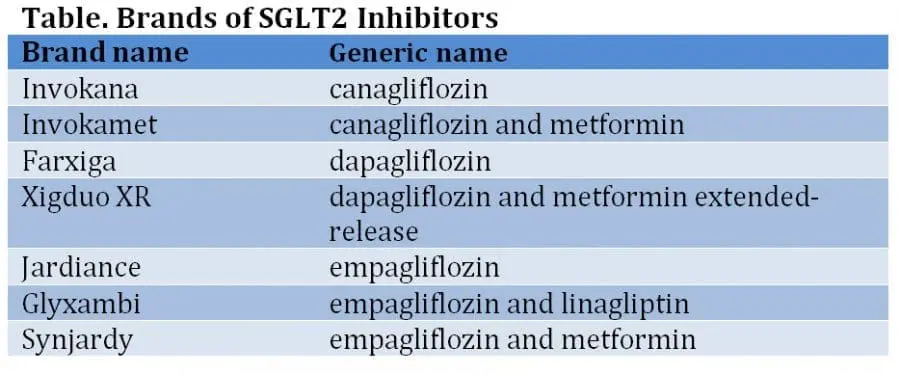
Metabolic and bariatric surgery can substantially improve type 2 diabetes, but diabetes medicines often need careful adjustment before and after an operation. SGLT2 inhibitors deserve special attention because fasting, dehydration, reduced carbohydrate intake, illness and surgery can increase the risk of a serious complication called euglycemic diabetic ketoacidosis (DKA).
What are SGLT2 inhibitors?
Sodium-glucose cotransporter-2 (SGLT2) inhibitors help the kidneys remove glucose and sodium through the urine. Depending on the patient and medication, they may be prescribed for type 2 diabetes, heart failure or chronic kidney disease. Generic names usually end in “-gliflozin.”
Check combination medicines. The name on your bottle may not end in “-gliflozin,” even though it contains an SGLT2 inhibitor. Bring an up-to-date medication list—or your medication bottles—to your preoperative visit.
Why these medications require a surgery plan
SGLT2 inhibitors can contribute to ketone production when the body is under surgical stress or receiving very little food or carbohydrate. DKA can occur even when glucose is not dramatically elevated; this is why a seemingly reassuring glucose reading does not rule it out.
Before surgery
Current ADA guidance recommends stopping most SGLT2 inhibitors three days before elective surgery and ertugliflozin four days before. Your prescriber or surgical team may give different instructions based on your health, procedure and reason for taking the medicine.
While the medicine is held
Follow the glucose-monitoring and replacement-medication plan provided by your clinician. Never stop basal insulin unless the clinician managing your diabetes specifically directs you to do so.
After surgery
Do not restart automatically on a particular postoperative day. Restart only after your treating clinician confirms that you are clinically stable, adequately hydrated and consistently meeting the nutrition plan, with no concern for ketosis or DKA.
JourneyLite pre-op checklist
- Tell us the exact drug, dose, reason it was prescribed and prescribing clinician.
- Confirm the last dose date in writing.
- Ask how often to check glucose and when ketone testing is appropriate.
- Know which medicines—including insulin—you should continue or adjust.
- Know whom to call for high or low readings before and after surgery.
Know the warning signs of ketoacidosis
Seek urgent medical care if you take, or recently stopped, an SGLT2 inhibitor and develop symptoms such as:
What can weight loss surgery mean for type 2 diabetes?
Metabolic surgery can improve blood glucose quickly, sometimes before major weight loss occurs. Many patients need less diabetes medication after surgery, and some achieve remission. Results vary with procedure, diabetes duration, pancreatic function and other health factors; remission is not guaranteed and ongoing monitoring remains important.
Do not reduce insulin or other diabetes medicines simply because your glucose improves after surgery. The JourneyLite team and the clinician who manages your diabetes should coordinate changes to prevent both hypoglycemia and dangerous hyperglycemia.
Frequently asked questions
How long before surgery should I stop an SGLT2 inhibitor?
Current ADA guidance recommends three days for most SGLT2 inhibitors and four days for ertugliflozin before elective surgery. Follow the individualized instructions from your prescribing clinician and surgical team.
When can I restart it after bariatric surgery?
There is no universal postoperative day. Restart only when the clinician managing the medication confirms that you are stable, adequately hydrated, meeting the nutrition plan and not at risk for ketosis or DKA. Bariatric recovery often requires special caution because intake is limited.
Can DKA happen if my glucose is not very high?
Yes. SGLT2 inhibitors are associated with euglycemic DKA, which can occur with glucose below the levels commonly expected in DKA. Symptoms and ketones therefore matter even when glucose does not look severely elevated.
Should I stop insulin before surgery?
Never stop basal insulin without specific instructions from the clinician managing your diabetes. Insulin plans are individualized according to diabetes type, glucose patterns, fasting instructions and the planned procedure.
Does weight loss surgery cure type 2 diabetes?
Surgery can produce major improvement or remission, but it is not a guaranteed cure. Diabetes can recur, so continued medical monitoring, nutrition care and healthy habits remain important.
Plan surgery—and your medications—with one coordinated team.
Tell JourneyLite which diabetes medications you take so we can help coordinate a safe, individualized preoperative plan.
Clinical sources
Medical disclaimer: This article provides general education and does not replace individualized medical advice. Medication instructions vary. Follow the plan from your JourneyLite surgical team, prescribing clinician and diabetes-care professional.
 Dr. Trace Curry
 Dr. James Augusta