

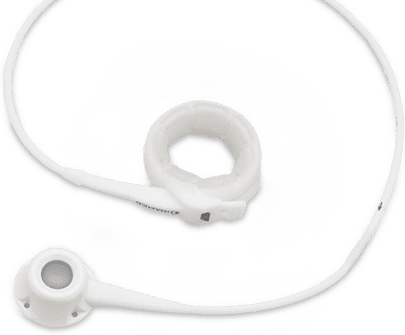
Low-BMI Weight Loss Surgery: What the Lap-Band Study Taught Us
In 2015, JourneyLite participated in important research studying the role of Lap-Band surgery for patients with a lower BMI. More than a decade later, the core message is still true: obesity should be treated earlier, not ignored until it causes more serious medical problems.
Today, low-BMI patients have more options than ever, including medical weight-loss programs, GLP-1 medications, gastric balloon therapy, and selected bariatric procedures. The best choice depends on BMI, metabolic health, prior weight-loss attempts, long-term goals, and medical risk factors.

Dr. Trace Curry, MD, FASMBS
Dr. Trace Curry is the Medical Director and founder of JourneyLite. He is a board-certified general surgeon and Fellow of the American Society for Metabolic and Bariatric Surgery with more than 20 years of experience in bariatric surgery, gastric banding, gastric sleeve, gastric bypass, SADI, gastric balloons, and medical weight management.
Why treating obesity earlier matters
For many years, patients with obesity were told to simply “eat less and exercise more” until their BMI became high enough to qualify for treatment. That approach never made much sense. We do not wait for high blood pressure, diabetes, sleep apnea, or heart disease to become severe before treating them. Obesity deserves the same proactive approach.
Patients with a BMI between 30 and 35 may already be developing insulin resistance, high blood pressure, fatty liver disease, joint pain, sleep apnea, elevated cholesterol, or worsening quality of life. Waiting until the disease progresses can make treatment harder and increase long-term health risks.
BMI range
This range is often called class I obesity. Some patients in this category may benefit from structured medical treatment or, in selected cases, metabolic and bariatric surgery.
FDA expansion
The FDA expanded Lap-Band eligibility to include selected patients with BMI 30–40 and an obesity-related medical condition.
More options
Low-BMI patients now have access to medications, gastric balloons, nutrition programs, and selected surgical options depending on medical history and goals.
The original low-BMI Lap-Band study
When this page was first published in 2015, JourneyLite had been asked to serve as a primary investigator site in a 10-year FDA study evaluating Lap-Band treatment in lower-BMI patients. At that time, the study represented an important shift in thinking: obesity treatment should not be reserved only for patients who had already developed severe disease.
The Lap-Band was historically one of the first bariatric procedures studied and approved for selected lower-BMI patients. It also helped establish a broader principle that remains relevant today: earlier intervention may help prevent the progression of obesity-related disease.
Is Lap-Band still a good option in 2026?
Lap-Band surgery can still be considered for some patients, especially those who strongly prefer an adjustable and reversible procedure. However, it is no longer the dominant bariatric procedure in the United States. Many patients now choose gastric sleeve, gastric bypass, SADI, medical weight loss, or gastric balloon therapy instead.
The reason is simple: modern options often provide stronger average weight loss, fewer long-term device-related issues, or a better fit for the patient’s medical goals. Patients who already have a Lap-Band and are struggling with reflux, swallowing problems, poor weight loss, weight regain, or band intolerance may also benefit from evaluation for band adjustment, band removal, or revision to another procedure.
| Option | Best fit | Key considerations |
|---|---|---|
| Medical weight loss | Patients wanting non-surgical treatment, appetite control, or medication support. | May include GLP-1 medications, oral medications, nutrition counseling, and ongoing follow-up. |
| Gastric balloon | Patients seeking a temporary, non-surgical tool to help with portion control. | Options may include swallowable or endoscopic balloons depending on candidacy and availability. |
| Lap-Band | Selected patients who want an adjustable, reversible bariatric procedure. | Requires long-term follow-up and adjustments. Some patients later need removal or revision. |
| Gastric sleeve | Patients seeking a powerful surgical option with strong long-term weight-loss potential. | Not reversible. Often more effective than banding for average weight loss. |
| Gastric bypass or SADI | Patients with higher metabolic needs, diabetes, reflux considerations, or prior procedure failure. | More complex procedures with powerful metabolic effects; requires individualized surgical evaluation. |
What current guidelines say about BMI 30–35
Modern obesity treatment has moved beyond rigid BMI-only thinking. BMI still matters, but it is only one part of the decision. Health conditions, metabolic disease, prior treatment attempts, quality of life, medication response, and long-term risk all matter.
The 2022 ASMBS/IFSO guidelines state that metabolic and bariatric surgery should be considered for patients with BMI 30–34.9 who do not achieve substantial or durable weight loss or improvement in obesity-related disease with non-surgical methods. This is especially relevant for patients with type 2 diabetes or other metabolic disease.
Insurance coverage, however, may not always match current medical guidelines. Some insurance plans still use older BMI thresholds, which is why self-pay options and non-surgical alternatives can be important for patients who need help but do not qualify through insurance.
Low-BMI weight-loss options at JourneyLite
JourneyLite is different because we offer a full range of treatment options. That means a patient with BMI 30–35 does not have to be pushed into a single program. We can compare the available options and help select the safest, most effective plan.
Medical weight loss
A structured medical program may include GLP-1 medications, oral medications, nutrition guidance, behavioral support, and ongoing follow-up.
Gastric balloon
Gastric balloons can help with portion control without permanently changing the stomach or intestines. This may be attractive for patients who want a temporary, non-surgical tool.
Surgical options
For selected patients, bariatric surgery may provide more powerful and durable results. Options may include sleeve, bypass, SADI, or revision surgery depending on candidacy.
When should a low-BMI patient seek help?
Patients often wait too long because they feel they are “not heavy enough” to deserve treatment. That thinking can be harmful. If excess weight is affecting your health, energy, confidence, mobility, sleep, blood sugar, blood pressure, cholesterol, or quality of life, it is reasonable to seek an expert opinion.
Early treatment does not always mean surgery. Sometimes it means medication, nutrition support, a gastric balloon, or a structured program. The important step is to stop waiting until the problem becomes more severe.
Frequently asked questions
Can patients with BMI 30–35 qualify for weight-loss treatment?
Yes. Many patients in this BMI range may qualify for medical weight loss, medications, gastric balloon therapy, or selected surgical options depending on their health history and obesity-related conditions.
Can patients with BMI 30–35 qualify for bariatric surgery?
In selected cases, yes. Current ASMBS/IFSO guidance supports considering metabolic and bariatric surgery for patients with BMI 30–34.9 who have not achieved durable results with non-surgical treatment, particularly when metabolic disease is present.
Is Lap-Band still performed?
Lap-Band surgery is still an option in selected cases, but it is much less common than it was years ago. Many patients now choose gastric sleeve, gastric bypass, SADI, medical weight loss, or gastric balloon therapy.
What if I already have a Lap-Band and I am having problems?
JourneyLite evaluates patients with band-related issues such as reflux, vomiting, swallowing difficulty, poor weight loss, weight regain, pouch dilation, slippage, or intolerance. Options may include band adjustment, deflation, removal, or revision to another procedure.
Is gastric sleeve better than Lap-Band?
For many patients, gastric sleeve produces stronger average weight loss and requires less device-related follow-up than Lap-Band. However, the best procedure depends on the patient’s BMI, reflux history, medical conditions, goals, and risk profile.
What is the best first step?
The best first step is a consultation with an experienced bariatric and medical weight-loss team. JourneyLite can help compare medication, balloon, and surgical options so you can make an informed decision.
Don’t wait until obesity becomes more severe
If your BMI is in the 30–35 range and excess weight is already affecting your health or quality of life, JourneyLite can help you compare your options.

 Dr. Trace Curry
 Dr. James Augusta