
Estimate your adult body mass index (BMI) and use it to prepare for a conversation with JourneyLite’s team. BMI alone does not establish treatment eligibility, safety, or insurance coverage.
For more detail about discussing your result with a clinician, see our medical BMI calculator and medication evaluation guide or our surgical BMI calculator and eligibility guide.
Medical weight loss evaluation
For many adult weight-management medications, treatment may be considered at BMI 30 or higher, or at least 27 with a weight-related health condition. Medication labeling, health history, contraindications, and the prescriber’s evaluation also matter.
State rules for controlled medications can differ. Kentucky has additional assessment criteria for certain appetite suppressants; those criteria are not the same as FDA-approved labeling or a guarantee of a prescription. Read our medication prescribing and follow-up guide and the NIDDK medication overview.
Adipex

Wegovy

Zepbound

Surgical evaluation and insurance are different
ASMBS/IFSO guidelines recommend bariatric surgery for adults with BMI 35 or higher and consideration at BMI 30–34.9 with metabolic disease or inadequate benefit from nonsurgical treatment. A surgeon must assess individual benefits, risks, and readiness. See the ASMBS patient guide.
Insurance plans can use different criteria and may exclude bariatric treatment. Having Medicare, Medicaid, or a particular BMI does not by itself guarantee coverage. Review insurance and benefit verification or self-pay pricing and financing with the team.
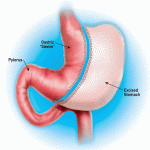
Gastric Sleeve
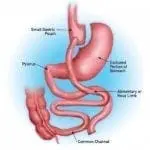
Gastric Bypass
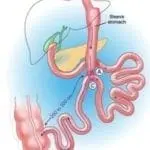
SIPS
Gastric balloon evaluation
Gastric balloon eligibility depends on the specific device, age, BMI, medical history, and prior surgery. A BMI result alone is not enough to determine candidacy. Explore current gastric balloon options and discuss the device’s indications, risks, and follow-up requirements with a clinician.
Orbera

Spatz 3