
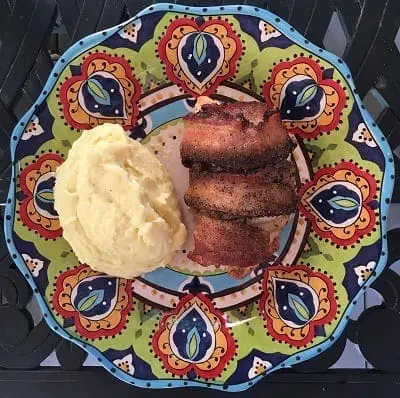
“Soft calorie syndrome” is an informal description of relying on foods that are easy to swallow while struggling with more substantial meals. The useful question is why this is happening and whether your nutrition and surgical follow-up need attention.
Soft food is not automatically a problem
Soft foods are a prescribed part of early recovery, and options such as yogurt or other approved protein foods may be useful. Problems can arise when poorly tolerated meals are repeatedly replaced with foods that do not meet your protein and nutrition needs.
When solid foods are difficult
Report recurrent food sticking, regurgitation, vomiting, reflux, or inability to tolerate protein foods. With a gastric band, these symptoms may prompt assessment of band adjustment or another problem. Symptoms alone do not establish that every patient needs a fill or an unfill.
Contact your team promptly if you cannot keep fluids down. Severe pain or significant dehydration needs urgent assessment. Do not try to push food through with more bites or change the band yourself.
What to bring to follow-up
- Which foods and textures you can and cannot tolerate.
- How much you eat, how quickly, and when symptoms occur.
- Fluid intake, supplements, and recent weight changes.
- A short food record, including the foods you use when a usual meal is difficult.
Your team can assess eating technique, appropriate textures, nutrition, and whether testing or an adjustment is needed. This is a problem to investigate together, not a reason to blame yourself.
Frequently asked questions
Does weight gain prove my band needs tightening?
No. Weight change and food tolerance need to be assessed together. Tightening a band without understanding symptoms may worsen difficulty eating.
Sources and further reading
General education. Your JourneyLite care team can help adapt this information to your health history and treatment plan.