
A food journal can help you and your dietitian understand what is working and what needs support. It can be a short experiment or an ongoing tool, with a level of detail that suits your needs.
Choose a workable format
Use paper, a notes app, meal photos, or a food-tracking app you can comfortably use. The best format is one you can bring to an appointment and understand later. You do not need a particular commercial service.
What to record
- Time and a brief description of food and drinks.
- The amount you actually ate, using a practical measure.
- Protein or other targets if your dietitian asks you to track them.
- Hunger, fullness, tolerance, or symptoms when useful.
- Context such as a rushed meal, a long gap, or difficulty preparing food.
A short example
| Time | What I ate | Useful observation |
|---|---|---|
| 12:30 p.m. | Chicken and cooked vegetables; recorded the portion eaten | Ate quickly between appointments and felt uncomfortable. |
| 3:30 p.m. | Water and planned snack | Was hungry after a smaller lunch; bring an easy option tomorrow. |
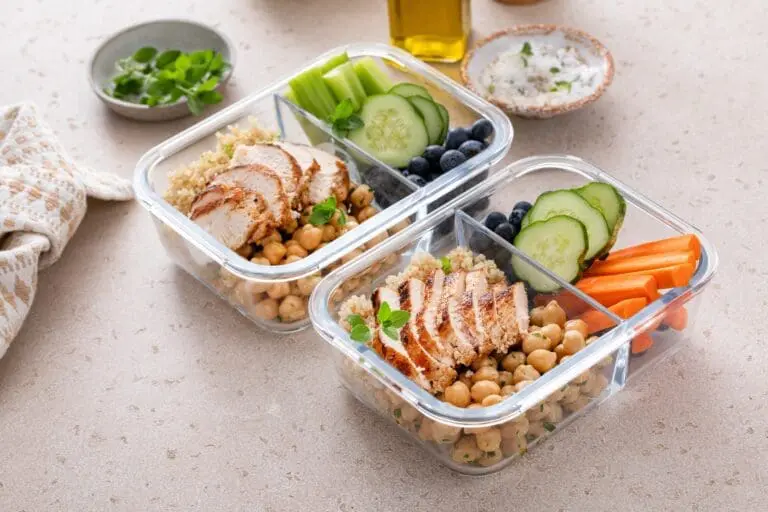
These are examples of notes, not prescribed meals or portions. For soups, casseroles, and mixed dishes, record the ingredients or recipe when possible. The dish format alone does not determine its quality.
Turn the record into one next step
Review a few days with your dietitian and choose a specific change, such as preparing a protein option or allowing more time to eat. Reassess whether tracking is helping. If detailed logging increases anxiety or obsessive food thoughts, discuss a simpler approach with your care team.
Frequently asked questions
Do I have to record every bite forever?
No universal duration applies. Agree on the purpose and length of tracking with your dietitian, and adjust the method as your needs change.
Sources and further reading
General education. Your JourneyLite care team can help adapt this information to your health history and treatment plan.