
Meeting your protein goals after bariatric surgery can feel challenging, especially when your portions are smaller. A simple meal formula can take some of the guesswork out of planning and help you build balanced meals around protein.
This guidance is intended for patients who have advanced to the solid-food stage after surgery. Follow your JourneyLite care team’s instructions for your current post-operative diet phase, because portion sizes and food textures change during recovery.
Why Protein Comes First After Bariatric Surgery
Protein helps support healing and maintain lean muscle while you lose weight. Because the amount you can eat is limited after surgery, starting each meal with protein gives you the best chance of meeting your daily goal before you feel full.
Your personal protein target may vary by procedure, health history, activity level, and stage of recovery. Many patients work toward 20–30 grams of protein at a meal once they can tolerate an appropriate portion, but your dietitian’s recommendation should always come first.
Choose a Meal Pattern That Fits Your Portions
At JourneyLite, we typically recommend one of these eating patterns for patients who are ready for solid foods:
- Five to six small meals of about ½ cup each throughout the day
- Three meals of up to 1 cup each, plus two small snacks
Eat slowly, chew thoroughly, and stop when you notice comfortable fullness. You do not need to finish a planned portion if your body tells you that you have had enough.
The ½-Cup High-Protein Meal Formula
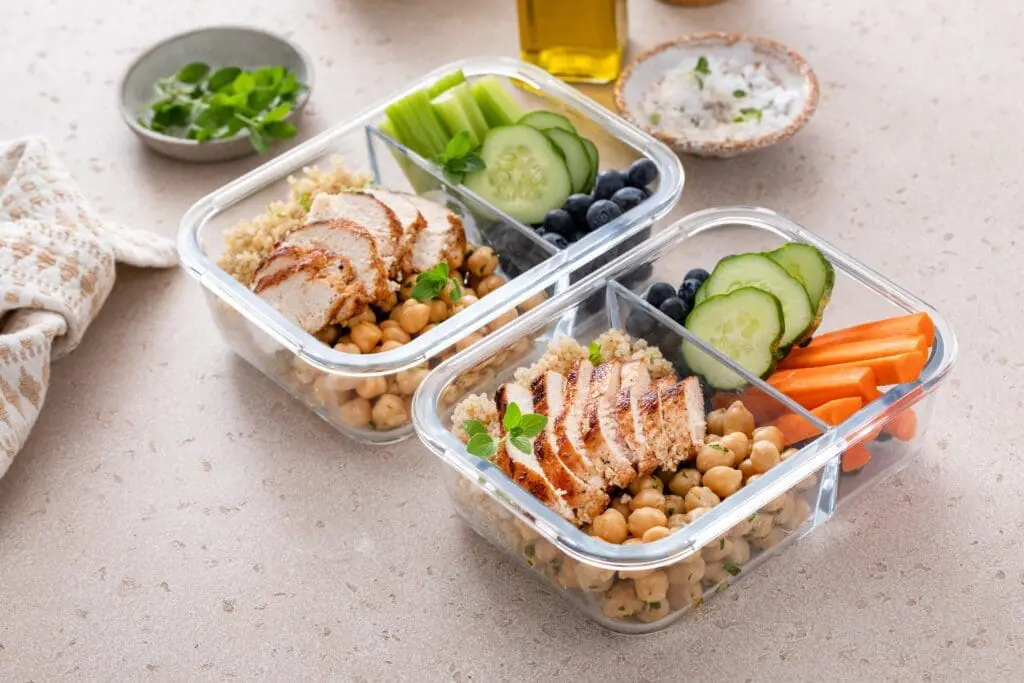
- ¼ cup lean protein
- ¼ cup nutrient-rich protein add-in
Good add-ins include chickpeas, white beans, or shelled edamame. A ¼-cup portion generally contributes about 3–5 grams of protein, depending on the food and brand.
Combined with a lean protein, this meal may provide approximately 15–20 grams of protein.
Try combinations such as:
- Finely chopped chicken with white beans
- Tuna with shelled edamame
- Egg or egg whites with cottage cheese
- Lean ground turkey with chickpeas
The 1-Cup High-Protein Meal Formula
- 3 ounces lean protein
- ¼ cup nutrient-rich protein add-in
- ½ cup non-starchy vegetables
- 1–2 teaspoons healthy fat, such as olive oil, avocado, nuts, or seeds
Depending on your ingredients and serving sizes, this balanced meal can provide approximately 30–32 grams of protein. Moist, tender proteins are often easier to tolerate than dry or overcooked meat.
Simple Ways to Make Meal Planning Easier
- Plan the protein first. Choose chicken, turkey, fish, eggs, low-fat dairy, tofu, or another protein you tolerate well before deciding on sides.
- Cook once and portion ahead. Prepare one or two proteins at the beginning of the week and divide them into appropriately sized containers.
- Keep easy backups available. Tuna packets, cottage cheese, Greek yogurt, eggs, and frozen edamame can help on busy days.
- Check labels. Protein amounts can vary among brands, so use the Nutrition Facts panel to help choose higher protein items.
- Track patterns, not perfection. A brief food log can help you and your dietitian identify where you may need more protein or a different meal pattern.
When to Ask Your Bariatric Team for Help
Contact your care team if you are consistently unable to meet your protein or hydration goals, have repeated nausea or vomiting, struggle to tolerate protein foods, or are unsure which diet phase you should follow. Your plan may need to be adjusted for your procedure and individual needs.
Every meal is an opportunity to nourish your body and support long-term success. Start with protein, keep the structure simple, and build the rest of the meal around what you tolerate well.
Need personalized help? Request an appointment with the JourneyLite team.