
Powerful weight loss with one intestinal connection
SADI-S combines a sleeve-shaped stomach with a single connection between the duodenum and the lower small intestine. It can provide strong weight-loss and metabolic effects, but it also requires a serious lifelong commitment to protein, prescribed vitamins, laboratory monitoring and bariatric follow-up.
Written by
Trace Curry, MD, FASMBS
Founder and Medical Director, JourneyLite
Clinically reviewed by
Trace Curry, MD, FASMBS
Bariatric surgery
Last medically reviewed
What is SADI-S?
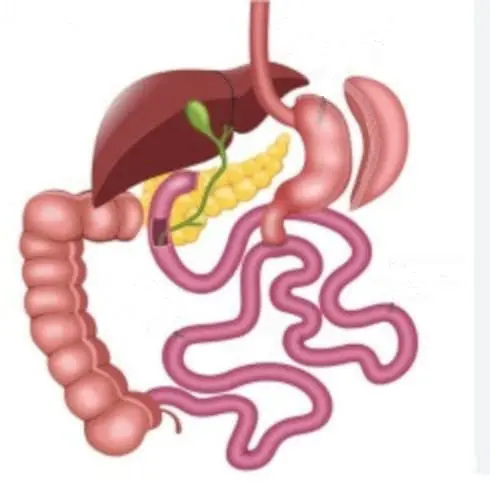
SADI-S stands for single-anastomosis duodeno-ileal bypass with sleeve gastrectomy. It is also sometimes described as a single-anastomosis or loop duodenal switch; some programs use the term SIPS. The operation begins with a sleeve gastrectomy. The duodenum is then divided just beyond the stomach, and the stomach-side segment is connected to a loop of ileum farther downstream.
The pylorus—the muscular valve that controls emptying from the stomach—is preserved. Food travels through the sleeve, across the pylorus and into the distal small intestine. Digestive juices join the food stream farther along the intestinal pathway. The combination influences meal size, hunger, fullness, calorie absorption and metabolic signaling.
How SADI-S surgery is performed
Create the sleeve
A large portion of the stomach is removed to create a narrower, sleeve-shaped stomach.
Preserve the pylorus
The natural stomach outlet remains in the food pathway, which distinguishes SADI-S from gastric bypass.
Divide the duodenum
The first section of small intestine is divided a short distance beyond the pylorus.
Create one connection
The stomach-side duodenum is connected to a measured loop of ileum, bypassing a substantial portion of intestine.
SADI-S is generally performed with minimally invasive laparoscopic or robotic techniques. Your surgeon determines the operative approach and intestinal measurements based on your anatomy, medical history, prior surgery and clinical needs.
Who may be a candidate?
SADI-S may be considered when
- A patient needs a powerful and durable weight-loss option.
- Higher BMI or significant metabolic disease makes a more intensive operation worth considering.
- Type 2 diabetes or other obesity-related conditions are important treatment goals.
- A previous sleeve produced inadequate weight loss or substantial weight recurrence.
- The patient can commit to lifelong supplements, protein targets, laboratory testing and follow-up.
Another option may fit better when
- Significant reflux or functional problems after sleeve make gastric bypass more appropriate.
- Chronic diarrhea, inflammatory bowel disease, short bowel or another intestinal condition raises concern.
- There is active nicotine use, uncontrolled substance use or an untreated condition that increases surgical risk.
- Pregnancy is planned soon or long-term nutrition follow-up is not currently realistic.
- A less anatomically complex option better matches the patient’s goals and risk profile.
These are discussion points, not a candidacy checklist. JourneyLite evaluates each patient individually and may recommend sleeve, gastric bypass, SADI-S, revision, a gastric balloon or medical weight management instead.
How SADI-S compares with sleeve and gastric bypass
| Feature | SADI-S | Gastric sleeve | Gastric bypass |
|---|---|---|---|
| Main anatomy change | Sleeve plus one duodenal-to-ileal connection | Smaller sleeve-shaped stomach only | Small stomach pouch plus a Roux-en-Y intestinal bypass |
| Intestinal connections | One | None | Two |
| Metabolic effect | Very strong for selected patients | Strong | Very strong |
| Reflux considerations | May cause or worsen reflux; requires careful evaluation | May cause or worsen reflux | Often favored when significant reflux is a major concern |
| Nutrition monitoring | Most intensive of these three | Lifelong vitamins and monitoring | Lifelong vitamins and monitoring |
| Common role | Primary surgery or revision after sleeve | Common primary procedure | Primary or revisional procedure, especially when reflux is relevant |
This comparison is simplified. Operative risk, expected benefit and the best treatment choice depend on the individual patient.
Expected results—and what they do not guarantee
Published studies generally show substantial weight loss and meaningful improvement in obesity-related conditions after SADI-S. Mid- and long-term evidence has continued to grow, including data extending beyond five years. Outcomes vary with starting BMI, surgical technique, follow-up duration, nutrition, physical activity, medication use and individual biology.
Weight loss
SADI-S can produce greater average weight loss than sleeve alone in selected groups, but no operation guarantees a particular number of pounds or a specific final BMI.
Metabolic health
Many patients experience improvement in type 2 diabetes, blood pressure, sleep apnea and lipid disorders. Medication changes must be supervised.
Durability
The anatomical and hormonal effects are designed for long-term treatment, but weight recurrence can still occur and ongoing care remains important.
Benefits and tradeoffs to understand
Potential benefits
- Powerful weight-loss and metabolic effects.
- Only one intestinal anastomosis.
- Pylorus remains in the food pathway.
- Can be used as a primary procedure or as a revision after sleeve.
- May improve several obesity-related health conditions.
Important tradeoffs
- Greater risk of vitamin, mineral and protein deficiency than sleeve alone.
- Possible loose or more frequent bowel movements, gas or food intolerance.
- Reflux or bile-reflux symptoms can occur.
- Long-term supplements, laboratory work and specialty follow-up are mandatory.
- Revisional surgery may be required for a complication or severe nutritional problem.
Risks and warning signs
All bariatric operations have risks. Early risks can include bleeding, infection, leak, blood clots, pulmonary complications, anesthesia complications and injury to nearby organs. Later problems can include narrowing or ulceration, bowel obstruction, hernia, gallstones, reflux, diarrhea, dehydration, kidney stones, vitamin or mineral deficiencies, protein-calorie malnutrition and the need for another operation.
Lifelong nutrition and follow-up
SADI-S should be viewed as a lifelong treatment—not a one-time procedure. Your exact plan is individualized, but ongoing care commonly includes:
Protein and hydration
Meet the protein and fluid targets provided by your bariatric team. Persistent difficulty eating or drinking needs prompt assessment.
Prescribed supplements
Take the bariatric vitamins, minerals and other supplements prescribed for your operation. An over-the-counter multivitamin alone may not be adequate.
Laboratory monitoring
Keep scheduled blood tests and follow-up visits so deficiencies or protein problems can be found and treated before they become serious.
Do not stop supplements or change doses because a single laboratory result looks normal. Your bariatric clinician interprets trends and adjusts the plan based on your operation, symptoms, diet and complete laboratory profile.
Recovery after SADI-S
Hospital and early recovery
Walking, breathing exercises, hydration and blood-clot prevention begin right away. Length of stay depends on the patient and clinical course.
Diet progression
Patients advance through liquids, pureed or soft foods and then regular textures according to JourneyLite’s written postoperative plan.
Return to activity
Light activity starts early. Driving, work, lifting and exercise restrictions are individualized by the surgical team.
Long-term follow-up
Appointments, nutrition support and periodic laboratory testing continue after the immediate recovery period.
Coverage and cost
Insurance coverage for SADI-S depends on the plan, the employer’s bariatric-surgery benefit, medical-necessity criteria, network requirements and whether a designated Center of Excellence is required. Some plans still treat SADI-S differently from sleeve or gastric bypass. JourneyLite can investigate benefits and discuss available self-pay or financing pathways when appropriate.
Frequently asked questions about SADI-S
Are SADI, SADI-S and SIPS the same operation?
Is SADI-S the same as a traditional duodenal switch?
Can SADI-S be performed after a gastric sleeve?
How much weight can I lose with SADI-S?
Does SADI-S help type 2 diabetes?
Can SADI-S make reflux worse?
Will I have diarrhea after SADI-S?
Do I need vitamins and blood tests for life?
How long is recovery after SADI-S?
Can I become pregnant after SADI-S?
Does insurance cover SADI-S?
Is SADI-S the right operation for you?
Compare SADI-S with gastric sleeve, gastric bypass, revision and non-surgical options with an experienced JourneyLite team.
Written and clinically reviewed
Trace Curry, MD, FASMBS
Founder and Medical Director, JourneyLite Physicians and JourneyLite Surgery Center
Written, reviewed and updated August 15, 2026.