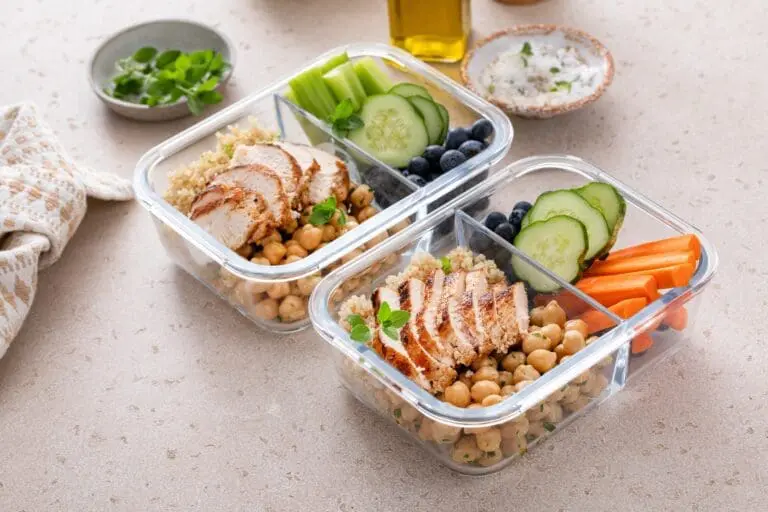


Protein is the number one nutrient after bariatric surgery. It helps with healing, muscle preservation, metabolism, and satiety. We recommend 60–100 grams of protein per day depending on your post-op stage and lifestyle.
Traditionally, this has meant a heavy focus on animal protein. But what if you want to incorporate more plant-based sources or you don’t eat animal proteins? The good news: with careful choices, plant-based proteins can absolutely fit into your post-surgery diet.
Why Plant-Based Protein Can Be a Smart Choice
-
- Gentle on digestion
Many bariatric patients struggle with tolerance of dense animal proteins (like beef or pork) in the first year. Softer plant proteins — such as tofu, lentils, or pea protein powder – can sometimes feel easier on the stomach. - Fiber and fullness
Unlike most animal proteins, plant proteins often come packaged with fiber, which supports bowel regularity (constipation is common after surgery) and helps with satiety. (hsph.harvard.edu) - Variety
Eating the same chicken or eggs every day gets old quickly. Plant-based proteins add a variety of flavor and texture, making your new way of eating more enjoyable and sustainable.
- Gentle on digestion
Challenges to Be Aware Of
-
- Protein density: Plant foods usually provide less protein per bite than animal foods. Since your stomach capacity is limited, you’ll need to choose concentrated sources.
- Digestibility: Some plant proteins (like beans) can cause gas or bloating. Introduce slowly and test your tolerance.
- Amino acid profile: Not all plant proteins are “complete.” Using blends (pea + rice, for example) or soy-based products helps cover all essential amino acids. (pmc.ncbi.nlm.nih.gov)
Bariatric-Friendly Plant Protein Foods
Here are some well-tolerated options to try, starting with softer, higher-yield sources:
-
- Tofu: Soft texture, easy to season, ~10 g protein per half cup.
- Tempeh: Fermented soy, denser texture, ~15 g per half cup.
- Edamame: Complete protein, easy to snack on, ~9 g per half cup.
- Lentils: Versatile in soups/purees, ~9 g per ½ cup cooked.
- Chickpeas: Blend into hummus for easier tolerance, ~7 g per ½ cup.
- Quinoa: A complete grain, ~8 g per cup cooked.
- Hemp seeds: Soft, sprinkle on yogurt/oatmeal, ~10 g per 3 Tbsp.
- Nut/seed butters: Peanut, almond, sunflower seed – small portions add ~4-7 g protein, but watch fat and calories.
Bariatric-Friendly Protein Powder Brands
Protein powders are often the most practical way for bariatric patients to consistently meet daily protein goals, especially in the early months. Here are plant-based brands that fit well:
-
- Orgain Organic Protein (pea, brown rice, chia blend) – smooth texture, widely available, ~21 g per scoop.
- Optimum Nutrition Gold Standard Plant (pea, rice, fava bean) – ~24 g protein, low sugar.
- PEScience Select Vegan – pea + brown rice, good flavor, ~20 g protein, soy-free.
- OWYN Plant Protein – free of top allergens, good for sensitive stomachs, ~20 g per scoop.
- Garden of Life Organic Plant Protein – sprouted blend with probiotics, ~20 g per scoop.
- Ora Organic Vegan Protein – pea + superfoods, organic, ~21 g per scoop.
Tip: Choose a powder with at least 20 grams of protein per scoop.
How to Incorporate Plant Protein After Bariatric Surgery
Early Stages (liquid/pureed)
-
- Use unsweetened, smooth plant protein powders in yogurts, pureed soups, and even pureed oatmeal.
Soft Stage
-
- Add silken tofu to soups.
- Puree lentil or chickpea to add a creamy texture to foods.
Regular Texture Stage
-
- Use tempeh or tofu in stir-fries, scramble tofu with eggs or veggies.
- Add hemp seeds, ground flax, or nut butter to yogurt, oatmeal, or shakes.
- Keep roasted edamame or chickpea snacks on hand.
Sample “Protein-Focused Bariatric Day – Regular Stage”
| Meal | Example | Protein |
| Breakfast | Protein shake with pea/rice protein + unsweetened almond milk | 25 g |
| Snack | Edamame (½ cup) | 9 g |
| Lunch | Lentil & quinoa bowl with sautéed vegetables | 18 g |
| Snack | Greek yogurt (if tolerated) + hemp seeds | 15 g |
| Dinner | Tofu stir-fry with vegetables | 20 g |
| Daily Total | ~87 g |
Key Takeaways
-
- Protein first still applies with plant-based sources.
- Use protein powders for efficiency and consistency, especially in the first year.
- Choose complete or blended proteins to cover amino acid needs.
- Start with softer, more digestible options and introduce beans/seeds gradually.
- Watch for added sugars, fillers, or high fat in powders or plant-based “meat” alternatives.
Plant-based protein can absolutely meet your bariatric nutrition needs – and it can add variety, improve digestion, and support long-term heart and metabolic health. With smart product choices and a little planning, you don’t have to rely solely on animal protein to hit your goals. Learn more about why protein is so crucial after bariatric surgery HERE.