Rapid weight loss can be transformative—for your health, your confidence, and your quality of life. Whether it’s triggered by GLP-1 medications like semaglutide or tirzepatide, or through bariatric surgery, one thing remains constant: your body is undergoing a major reconstruction.
And just like any construction project, your body needs building blocks.
That’s where protein comes in.
When you lose weight quickly, your body doesn’t just burn fat. Without proper nutrition, it may also break down lean muscle for fuel. That’s a big problem because muscle mass helps:
-
- Maintain your metabolism
- Improve mobility and strength
- Support long-term weight management
- Protect organ function and bone density
- Support hormone synthesis
Eating protein helps prevent this breakdown by providing the raw materials your body needs to preserve (and even build) muscle tissue while fat is being burned.
Let’s Talk Lego: How Protein Supports Muscle
Think of your muscles as a Lego castle.
-
- Every day, just by moving or exercising, some of those Lego bricks get knocked out.
- When you eat protein, your body breaks it down into amino acids—these are your new Lego bricks.
- Your body then uses those bricks to repair the castle. If you’re strength training or increasing movement in any way, it might even add a new tower or reinforce the walls with bigger Lego bricks.
- Not eating enough protein? Your body may start removing bricks from one part of the castle to patch another—weakening your muscle mass over time.
GLP-1 Medications & Protein Needs
GLP-1s like semaglutide and tirzepatide reduce appetite and slow digestion, which helps with weight loss. But this also means people may eat significantly less and that often means their nutrition needs are not being met.
Common challenges:
-
- Reduced overall portion sizes
- Nausea or food aversions
- Prioritizing “easier” or “softer” foods over high-protein options
That’s why planning protein intake is essential. Even if you’re not hungry, your body still needs those building blocks.
Bariatric Surgery & Muscle Loss Risk
After bariatric surgery, your stomach size is reduced, and food tolerance can change drastically. Protein becomes the top priority because:
-
- You’re eating much less
- Malabsorption (especially with bypass procedures) can reduce nutrient absorption
- Muscle loss happens quickly if protein intake is too low
Our Registered Dietitians typically recommend 60–100g of protein daily post-surgery, depending on the individual and the stage of recovery. Those using a GLP-1 medication may have drastically different protein goals which our Registered Dietitians can help you determine.
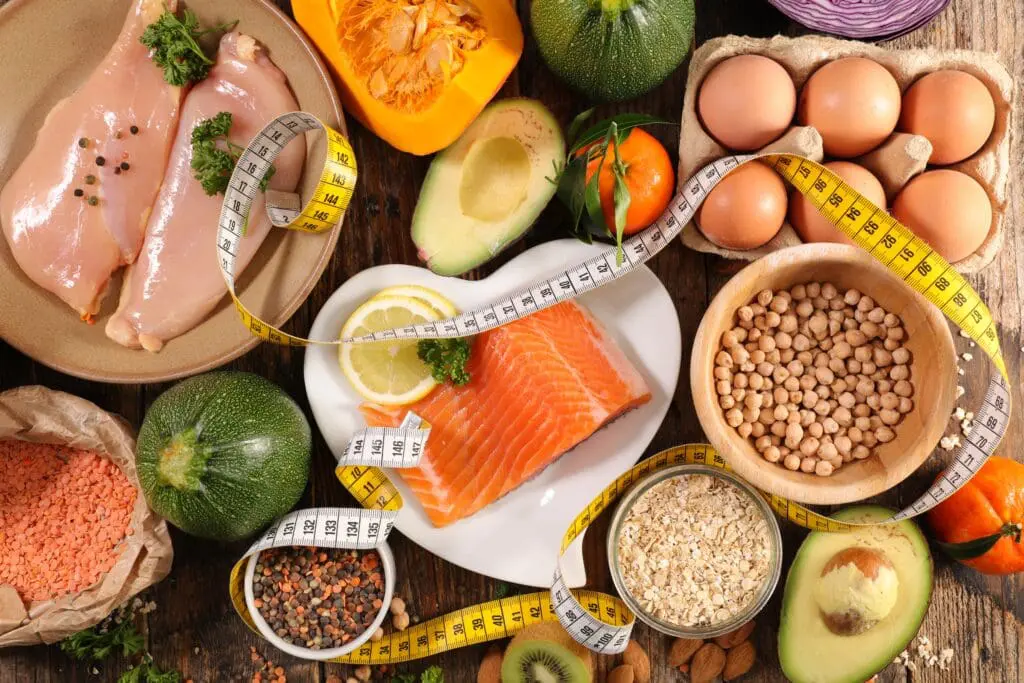
Best Sources of “Lego Bricks” (High-Quality Protein)
Animal-Based (complete proteins):
-
- Eggs
- Chicken, turkey, lean beef
- Fish (especially salmon, tuna)
- Greek yogurt & cottage cheese
- Whey or casein protein shakes and snacks
Plant-Based (incomplete proteins):
-
- Tofu, tempeh, edamame
- Lentils & beans
- Quinoa
- Soy milk or protein-enriched plant milks
- Vegan protein powders (pea, soy, rice blends)
Tips for Getting Enough Protein When Eating Less
-
- Start every meal with protein first
- Use protein shakes or powders as needed
- Add protein to snacks (e.g., hard-boiled eggs, string cheese, protein bars)
- Use soft high-protein foods like yogurt, ricotta cheese, or hummus post-surgery
- Track your intake to be sure you’re hitting your target
Bottom Line
When your body is reshaping itself through rapid weight loss, it’s tearing down and rebuilding at the same time. Without enough protein, the rebuild of your body suffers. Want to know more? Check out these articles for a more in depth understanding of why protein is so important during rapid weight loss.
Don’t let muscle loss undo your progress. Prioritize protein, protect your metabolism, and give your body the materials it needs to thrive.
If you are one of our current patients and are concerned about losing muscle mass and want to know more about how to nourish your body well during weight loss, reach out to our office and schedule an appointment with one of our Registered Dietitians today!
By Devon Price, RD/LD

Nutrition and wellness have been at the heart of Devon’s career since graduating from Murray State University in 2009 with a degree in Nutrition and Dietetics. She has spent most of her career in bariatrics, specializing in helping individuals navigate sustainable, healthy change. Outside of work, she is a wife and mom of four who enjoys painting, reading, and baking the occasional perfect macaron.